


Hospitality SEO
Search-led location pages, venue pages, menu pages, and local content clusters for restaurants, cafes, bars, and hospitality brands across Australia.
 DRAG
DRAG 

Arthkaira is Australia's trusted AI automation and digital marketing agency. We help businesses across Sydney, Melbourne, Brisbane and beyond grow faster with intelligent technology solutions.

Suite 1208/530 Little Collins Street, Melbourne, VIC 3000


We help restaurants, cafes, bars, venues, caterers, and hospitality groups improve visibility for searches such as restaurant marketing Australia, cafe SEO Australia, hospitality marketing Australia, venue website design Australia, local SEO for restaurants Australia, and Google Ads hospitality Australia.
Whether your growth focus is Sydney, Melbourne, Brisbane, Perth, Adelaide, or Australia-wide hospitality demand, we build venue websites, location pages, menu pages, booking journeys, and automation systems that support stronger visibility and more reservations or event enquiries.
That includes SEO, AEO, GEO, Google Ads, website development, integrations, and analytics that make hospitality marketing more measurable and more conversion-focused.
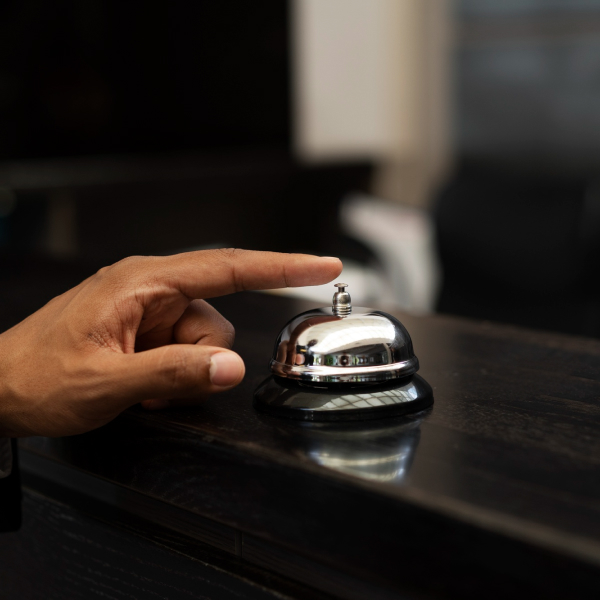
Many diners and event customers still search by suburb, venue type, cuisine, nearby, or occasion intent. That is why hospitality businesses need useful local pages instead of relying only on social traffic or broad homepage visits.
Hospitality websites usually perform better when booking paths, menu access, venue details, and function enquiries are easy to find and easy to complete on mobile without unnecessary steps.
A booking or event lead is only useful if your team can respond quickly. That is why booking integrations, automation, forms, and reporting matter as much as the initial traffic that brought the enquiry in.
A strong hospitality website should do more than look polished. It should support local search visibility, explain the offer clearly, and turn venue discovery into reservations, event enquiries, and repeat customer action from people already looking to book in Australia.
We build hospitality websites and landing pages that support searches such as restaurant marketing Australia, cafe SEO Australia, hospitality marketing Australia, local SEO for restaurants Australia, and venue search intent without making the content feel forced or over-optimised.
Strong hospitality pages explain the offer clearly, reduce hesitation, and guide diners, event planners, and venue customers toward the next step. That matters for restaurants, cafes, bars, venues, caterers, and hospitality groups competing for high-intent traffic.
Visibility is only one part of growth. We connect booking actions, function forms, event enquiries, automation, and reporting so hospitality businesses in Sydney, Melbourne, Brisbane, Perth, Adelaide, and regional Australia can convert more traffic into reservations and enquiries.
We usually connect this work with industry-specific strategy, SEO, AEO, GEO, website development, and AI automation so hospitality businesses can respond faster and convert more consistently.
Hospitality brands usually need a connected stack: visibility, location pages, menu and venue pages, paid demand, booking support, conversion systems, and reporting. These are the service layers we apply most often for hospitality and food service brands across Australia.
Search-led location pages, venue pages, menu pages, and local content clusters for restaurants, cafes, bars, and hospitality brands across Australia.
Question-led hospitality content and FAQ structures that help pages explain menus, functions, opening hours, venue details, and booking topics more clearly for answer-driven search behaviour.
Entity-led visibility work to help restaurants, venues, and hospitality brands appear more clearly across AI discovery, local comparisons, and dining search journeys.
High-intent paid campaigns for reservations, venue bookings, event leads, catering enquiries, and hospitality offers that need faster demand capture.
Useful menu content, venue pages, event pages, local dining pages, and structured hospitality FAQs designed to support search visibility without filler content.
Campaign support and social content for hospitality brands that need awareness, event promotion, retargeting audiences, and stronger booking demand.
Landing page improvements, booking-path testing, form refinement, and call-to-action optimisation that help hospitality traffic turn into more reservations and enquiries.
Fast, mobile-first hospitality websites with venue pages, menu sections, event pages, trust-led layouts, and booking journeys built for customer usability.
Event information areas, booking dashboards, member-style spaces, and operational systems for hospitality teams that want smoother enquiry handling and communication.
Booking-platform connections, CRM routing, event workflows, enquiry integrations, and automation that reduce manual handling and improve response speed.
AI-led handling for menu questions, booking requests, function enquiries, after-hours contact, and quicker first response for hospitality websites.
Reporting that shows which locations, campaigns, pages, and search journeys actually generate reservations, event leads, and higher-value customers.
Different hospitality businesses need different page structures. A restaurant, cafe, function venue, catering brand, or multi-location hospitality group should guide people differently, so the content and layout need to match how people search, compare, and book.
Restaurant and cafe websites need strong location relevance, menu visibility, booking paths, and local search structure so organic and paid traffic turns into real covers and enquiries.
Venue-led hospitality brands often need event pages, booking forms, entertainment promotion, and local discovery pages that move interest into bookings and attendance.
Function and event venues usually need clearer service structure, package pages, trust content, and enquiry paths for weddings, corporate events, and private bookings.
Catering brands often need dedicated service pages, suburb targeting, package content, and workflow systems that help teams respond faster to event demand.
Multi-location hospitality brands benefit from location hubs, venue pages, central booking logic, and reporting that shows which campaigns and locations are driving demand.
Higher-volume hospitality formats need fast mobile paths, offer-led campaigns, local visibility, and simpler page structures that support repeat customer action.
These are the questions hospitality and food service business owners usually want answered first when they are trying to improve visibility, attract better diners or event leads, and increase bookings.
Hospitality businesses usually get better enquiries when local SEO, location pages, booking paths, menu or service pages, and mobile-first calls to action work together. A venue website that explains the offer clearly and removes friction usually converts better than a generic brochure-style site.
A strong hospitality website should include clear service or menu pages, booking and enquiry actions, location details, event or function pages, trust signals, and fast mobile usability. We usually support that with website development, conversion improvements, and integration work.
Many hospitality searches still begin with suburb, nearby, cuisine, event, or venue intent. That is why local pages and service pages can help businesses attract more relevant diners and event enquiries when the content is genuinely useful and backed by strong SEO.
Yes. SEO supports long-term organic visibility, Google Ads can capture urgent or seasonal dining and event demand, and focused landing pages improve conversion from both channels. Used together, these systems usually improve booking quality and reduce wasted spend.
Hospitality businesses with repeated booking, event, catering, or support workflows benefit fastest. That includes restaurants, cafes, bars, venues, function spaces, caterers, and multi-location brands using AI chatbots, workflow automation, and analytics dashboards.
The strongest starting pages are usually menu or service pages, location pages, event or function pages, catering pages, booking pages, and suburb-led service pages. These help match how people search before they decide to book or enquire, especially when supported by fast website structure and system integrations.

AI-first support, human handover when needed.
This assistant can answer quickly, collect your details, and hand the conversation to a human teammate when needed.