





Email Marketing Automation
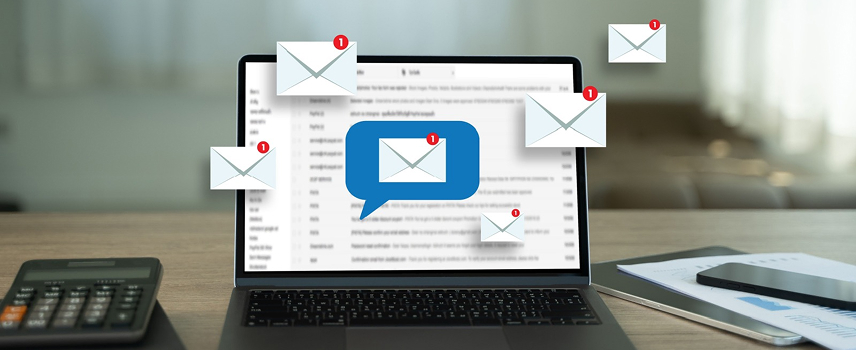
Email should do more than send occasional updates. It should help your business follow up at the right time, nurture interest, strengthen retention, and keep leads or customers moving through the next step of the journey.
Arthkaira uses email marketing automation to build structured follow-up, lifecycle communication, and triggered journeys that support lead generation and customer value over time. We often connect email automation with content marketing, PPC, social media marketing, and CRO so follow-up systems support wider growth activity rather than operating in isolation.
What Is Included In Our Email Marketing Automation Service
Strong automation depends on more than email copy alone. It needs audience logic, useful timing, funnel awareness, and a clear idea of what each workflow is supposed to achieve.
 Email automation strategy aligned to lead stages, customer journeys, and commercial goals
- Audience segmentation and trigger logic so messages match behaviour, intent, and lifecycle stage
- Welcome, nurture, follow-up, onboarding, and re-engagement workflow planning
- Campaign messaging that supports trust, conversion, retention, and timely communication
- Platform and funnel alignment across forms, landing pages, CRM flows, and lead sources
- Reporting focused on progression, conversion impact, and email-driven business outcomes

Follow-up happens on time
Automation keeps leads and customers moving with the right message at the moment it matters instead of relying on manual reminders.

Segmentation improves relevance
Email performs better when different audiences receive content that reflects their stage, interest, and previous actions.

Journeys outperform isolated sends
The real gains come from connected lifecycle flows, not just occasional email blasts without a strategic sequence behind them.
Email Automation Works Better When It Supports The Whole Funnel
The strongest results happen when your lead capture, email journeys, landing pages, paid campaigns, and next-step offers are connected properly instead of acting like separate systems.
 Content Marketing
Use stronger educational and conversion-focused content inside nurture flows and lifecycle sequences.
Content Marketing
Use stronger educational and conversion-focused content inside nurture flows and lifecycle sequences.
 Google Ads & PPC
Keep paid leads engaged after the first click with structured follow-up and nurture automation.
Google Ads & PPC
Keep paid leads engaged after the first click with structured follow-up and nurture automation.
 Social Media Marketing
Capture and nurture social audiences after campaign responses, lead forms, or gated content actions.
Social Media Marketing
Capture and nurture social audiences after campaign responses, lead forms, or gated content actions.
 Conversion Rate Optimisation
Improve the journey between form submission, follow-up, and the next conversion step.
Conversion Rate Optimisation
Improve the journey between form submission, follow-up, and the next conversion step.
 Website Development
Support cleaner form flows, lead capture paths, and technical setup for automation triggers.
Website Development
Support cleaner form flows, lead capture paths, and technical setup for automation triggers.
 Online Reputation Management
Use automated review requests and trust-building follow-up to strengthen post-sale brand perception.
Online Reputation Management
Use automated review requests and trust-building follow-up to strengthen post-sale brand perception.
How We Approach Email Marketing Automation
The goal is not to add more messages for the sake of activity. It is to improve timing, relevance, consistency, and progression so contacts receive the right follow-up when it can actually influence the outcome.
That means we look at lead sources, audience stages, message sequencing, offer clarity, platform capability, and what should happen after each click or form action. Good email automation is part communication system, part conversion support, and part retention strategy.
Our Email Marketing Automation Process
Journey mapping and lifecycle review
We review how leads and customers currently move through your funnel, where follow-up breaks down, and which touchpoints deserve automation first.
Segmentation, triggers, and message planning
Audiences, trigger events, timing rules, and email goals are defined so each workflow has a clear purpose instead of sending generic messages to everyone.
Workflow build, launch, and testing
The automation is structured across the chosen platform with emails, branching logic, forms, and timing reviewed before and after launch.
Performance review and optimisation
We refine the journeys based on engagement, progression, conversion behaviour, and where prospects or customers are dropping out of the sequence.
Email Marketing Automation FAQ
These are common questions businesses ask when they want better lead nurturing, follow-up consistency, and stronger lifecycle communication.
Email marketing automation services usually include strategy, audience segmentation, journey planning, triggered workflows, nurture sequences, welcome emails, follow-up systems, re-engagement campaigns, and reporting tied to business goals and conversion behaviour.
Email campaigns are usually one-time broadcasts, while email automation uses triggers, timing rules, and lifecycle logic to send messages automatically based on behaviour, lead stage, or customer actions.
Yes. Good automation improves consistency of follow-up, keeps prospects engaged between touchpoints, recovers missed opportunities, and helps more contacts move toward an enquiry, booking, or purchase.
Usually yes. Automation typically depends on an email platform, CRM, or connected marketing system that can store contacts, manage triggers, segment audiences, and track key actions across the funnel.
Yes. Email automation works especially well after lead forms, paid campaigns, gated content, or social responses because it continues the relationship after the first conversion event instead of leaving the lead idle.
Many businesses start with welcome sequences, enquiry follow-up, lead nurturing, onboarding, review requests, re-engagement flows, and other points where delayed or inconsistent communication is hurting results.
Useful measurement looks beyond open rates and focuses on click quality, response behaviour, lead progression, conversion rate, revenue influence where relevant, and how well the automation supports the wider business process.
Yes. B2B and service businesses often benefit because automation helps educate prospects, maintain follow-up across longer decision cycles, and reduce the number of enquiries that go cold after first contact.
